Policy stability in Kenya plays a decisive role in shaping investor behavior, economic growth, and business confidence. Investors, both local and foreign seek predictable environments where rules do not change abruptly. When policies remain consistent, capital flows increase, businesses expand, and jobs are created.
However, frequent policy shifts have raised concerns about the reliability of Kenya’s investment environment. The debate over policy stability in Kenya has intensified as investors weigh risks associated with regulatory uncertainty and sudden government interventions.
Policy stability in Kenya refers to the consistency and predictability of government policies affecting businesses and investors. This includes tax laws, regulatory frameworks, trade rules, and investment incentives.
A stable policy environment allows investors to plan long-term projects with confidence. When government policy consistency is strong, the investment climate in Kenya becomes more attractive. Unpredictable changes undermine trust and slow capital inflows.
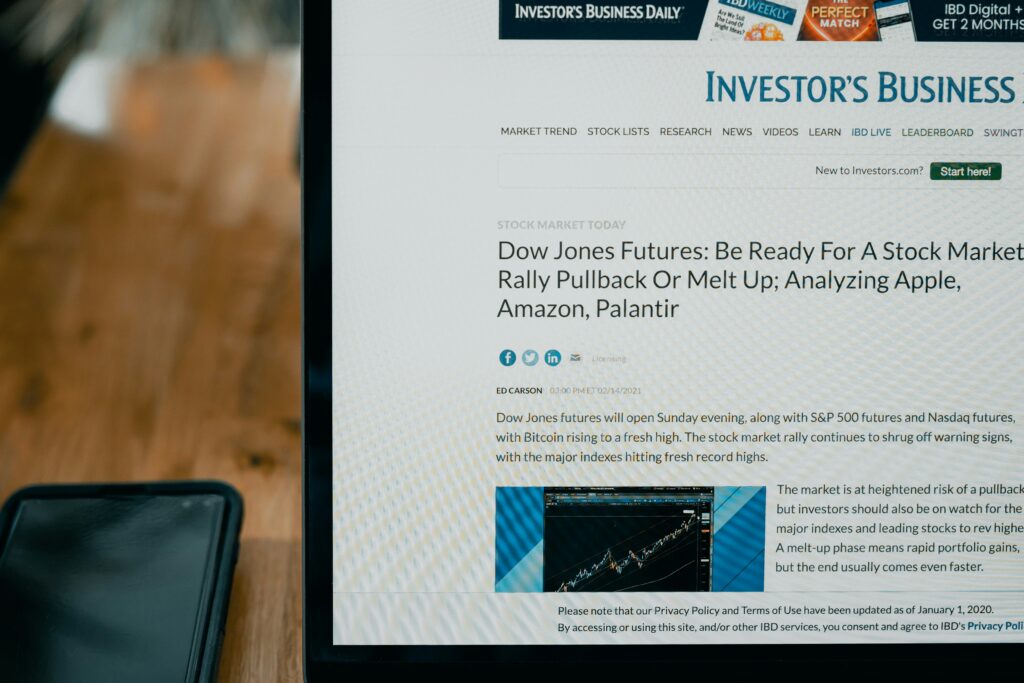
Why policy stability matters for investors is simple: investment decisions involve long-term risk. Investors commit capital today based on expectations of future returns.
Policy stability reduces uncertainty, making it easier to forecast costs, profits, and regulatory obligations. Investor confidence in Kenya improves when policies are transparent and consistent. Without stability, even profitable opportunities may be avoided.
Investor confidence depends heavily on predictable governance. Sudden tax hikes, regulatory changes, or policy reversals increase risk premiums.
When policy stability in Kenya is strong, investors perceive lower risk and are more willing to reinvest profits. Confidence translates into business expansion and job creation. Conversely, uncertainty discourages long-term commitments.
Impact on the Investment Climate in Kenya
The investment climate is shaped by how reliably policies are implemented. Stable policies signal seriousness and professionalism in economic management.
Policy stability improves the business environment in by reducing compliance costs and legal disputes. Businesses operate more efficiently when rules remain consistent. A stable climate attracts diversified investment across sectors.
Government policy consistency ensures that reforms are implemented gradually and predictably. Businesses require time to adjust operations, pricing, and staffing.
When policy stability in Kenya is maintained, companies can scale operations with confidence. Abrupt changes disrupt supply chains and discourage innovation. Consistency supports sustainable growth.
Regulatory certainty is essential for long-term investment. Investors evaluate how likely regulations are to change unexpectedly.
Policy stability strengthens regulatory certainty, allowing firms to comply efficiently and avoid legal risks. Clear and predictable rules reduce corruption and bureaucratic delays. Stable regulation supports market predictability.
Long-Term Investment Decisions
Long-term investment depends on confidence in future conditions. Infrastructure, manufacturing, and energy projects require years to generate returns.
Policy stability in Kenya assures investors that contracts, incentives, and regulations will remain valid. Long-term investment thrives where policy reversals are rare. Unstable environments favor short-term speculation instead.
Market Predictability and Economic Stability
Market predictability is closely linked to economic stability. Investors assess currency trends, inflation, and fiscal policy.
Policy stability in Kenya reinforces economic stability by reducing policy-induced shocks. Predictable policies stabilize markets and strengthen investor trust. Stability attracts both domestic and foreign capital.
Foreign Direct Investment in Kenya
Foreign direct investment in Kenya responds strongly to policy signals. Multinational companies compare Kenya with regional alternatives.
When policy stability in Kenya is high, foreign direct investment in Kenya increases due to lower regulatory risk. Investors favor countries where rules are enforced consistently. Policy uncertainty pushes capital elsewhere.
Kenya Investment Policy and Investor Protection
Kenya investment policy defines incentives, protections, and dispute resolution mechanisms. Investors rely on these frameworks when entering the market.
Policy stability in Kenya ensures that investment protections remain reliable. Frequent amendments weaken confidence and increase legal risk. Strong policy frameworks enhance credibility.
Role of the National Treasury Policy
National Treasury policy influences taxation, public spending, and debt management. Sudden fiscal changes directly affect investors.
Policy stability in Kenya requires transparent and predictable Treasury decisions. Stable fiscal policy reassures markets and supports private sector planning. Unpredictable budgets discourage investment.
Central Bank of Kenya Policy and Monetary Stability
Central Bank of Kenya policy affects interest rates, inflation, and currency stability. Investors closely monitor monetary decisions.
Policy stability in Kenya benefits when monetary policy remains independent and consistent. Stable interest rates encourage borrowing and expansion. Monetary volatility increases investment risk.
How Policy Uncertainty Affects Investment
How policy uncertainty affects investment is evident in delayed projects and reduced capital inflows. Investors pause decisions when rules appear unstable.
Policy stability in Kenya minimizes uncertainty and lowers risk premiums. Businesses prefer environments where policy direction is clear. Uncertainty raises the cost of doing business.
Effects of Regulatory Instability on Business
The effects of regulatory instability on business include compliance confusion, legal disputes, and higher operating costs.
Policy stability in Kenya protects businesses from frequent rule changes. Stable regulations improve efficiency and competitiveness. Instability undermines productivity.
Why Investors Prefer Stable Policy Environments
Why investors prefer stable policy environments lies in risk management. Predictability reduces unexpected costs and policy shocks.
Policy stability in Kenya aligns with global investment standards. Stable environments attract patient capital rather than speculative flows. Investor trust grows over time.
Policy Stability and Economic Confidence
Economic confidence depends on consistent governance. Consumers and businesses respond positively to stability.
Policy stability in Kenya builds confidence across the economy, encouraging spending, saving, and investment. Confidence strengthens growth momentum. Instability weakens economic sentiment.
Challenges to Maintaining Policy Stability
Despite its importance, maintaining stability is difficult. Political transitions, fiscal pressure, and external shocks influence policy decisions.
However, protecting policy stability in Kenya requires institutional discipline and stakeholder consultation. Predictable reform paths reduce backlash. Stability must be intentional.
Reforms are necessary, but they must be well-communicated and phased. Abrupt reforms undermine confidence.
Policy stability in Kenya does not mean resisting change, it means managing change responsibly. Gradual reforms preserve investor trust. Balance is key.
Conclusion
Policy stability in Kenya is one of the most powerful drivers of investment, confidence, and long term growth. Investors value predictability as much as profitability.
By strengthening government policy consistency, improving regulatory certainty, and maintaining transparent fiscal and monetary policies, Kenya can attract sustained investment. Without stability, even strong economic potential remains unrealized.
About The Author