Understanding Devolution and County Governments in Kenya
Devolution and county governments in Kenya form one of the most important pillars of the country’s governance framework. Introduced by the 2010 Constitution, devolution and county governments were designed to bring services closer to the people, promote equity, and enhance accountability. To fully appreciate national governance today, it is essential to understand devolution and county governments in Kenya, how they function, and why they matter to citizens.
This article explains devolution and county governments in Kenya, outlining structures, roles, relationships with the national government, and the broader impact on development and service delivery.
What Is Devolution in Kenya?
A common civic question is what is devolution in Kenya. Devolution refers to the transfer of power, resources, and responsibilities from the national government to county governments. Devolution can be best understood as a system intended to decentralize authority and promote local decision-making.
Under the Constitution, devolution in Kenya aims to address historical marginalization and ensure fair distribution of resources. By establishing county governments, devolution and county governments in Kenya enable citizens to influence decisions that affect their daily lives. This approach reflects broader principles of decentralization in Kenya and strengthens the overall governance system.
The Devolved System of Government in Kenya
The devolved system of government in Kenya divides governance between the national and county levels. This devolved system of government in Kenya ensures that counties manage local functions while the national government focuses on national policy, security, and international relations.
Through the devolved system of government, responsibilities such as healthcare, agriculture, and local infrastructure are handled closer to communities. This system demonstrates how devolution works by aligning decision-making with local needs and priorities.
County Governments in Kenya Explained
County governments in Kenya are the primary units through which devolution is implemented. There are 47 counties, each with its own leadership and administrative structures. County governments are responsible for planning and delivering services within their jurisdictions.
The establishment of county governments in Kenya has transformed governance by enhancing local governance in Kenya and encouraging innovation at the grassroots level. This structure ensures that devolution and county governments in Kenya are central to everyday public administration.
County Government Structure in Kenya
Understanding county government structure is key to grasping how counties function. Each county has an executive arm led by a governor and a legislative arm known as the county assembly. The county government structure also includes county public service boards and various departments.
This county government structure in Kenya supports accountability and efficiency. By defining authority clearly, it enables how county governments operate and ensures alignment with constitutional principles.
Roles and Functions of County Governments
The functions of county governments are outlined in the Constitution and include healthcare, county transport, trade development, and local planning. These functions of county governments in Kenya are designed to improve service delivery and responsiveness.
Closely related are the roles of county governments in Kenya, which include policy formulation, budgeting, and oversight at the local level. By performing these roles of county governments in Kenya, counties strengthen public service delivery in counties and promote inclusive development.
Governors and County Leadership
Leadership plays a critical role in devolution and county governments. Governors and county leadership provide political direction and oversee implementation of county policies. Effective governors and county leadership can accelerate development, while weak leadership may hinder progress.
The influence of governors and county leadership highlights why devolution matters in Kenya, as leadership quality directly affects service outcomes and public trust.
County Assemblies in Kenya
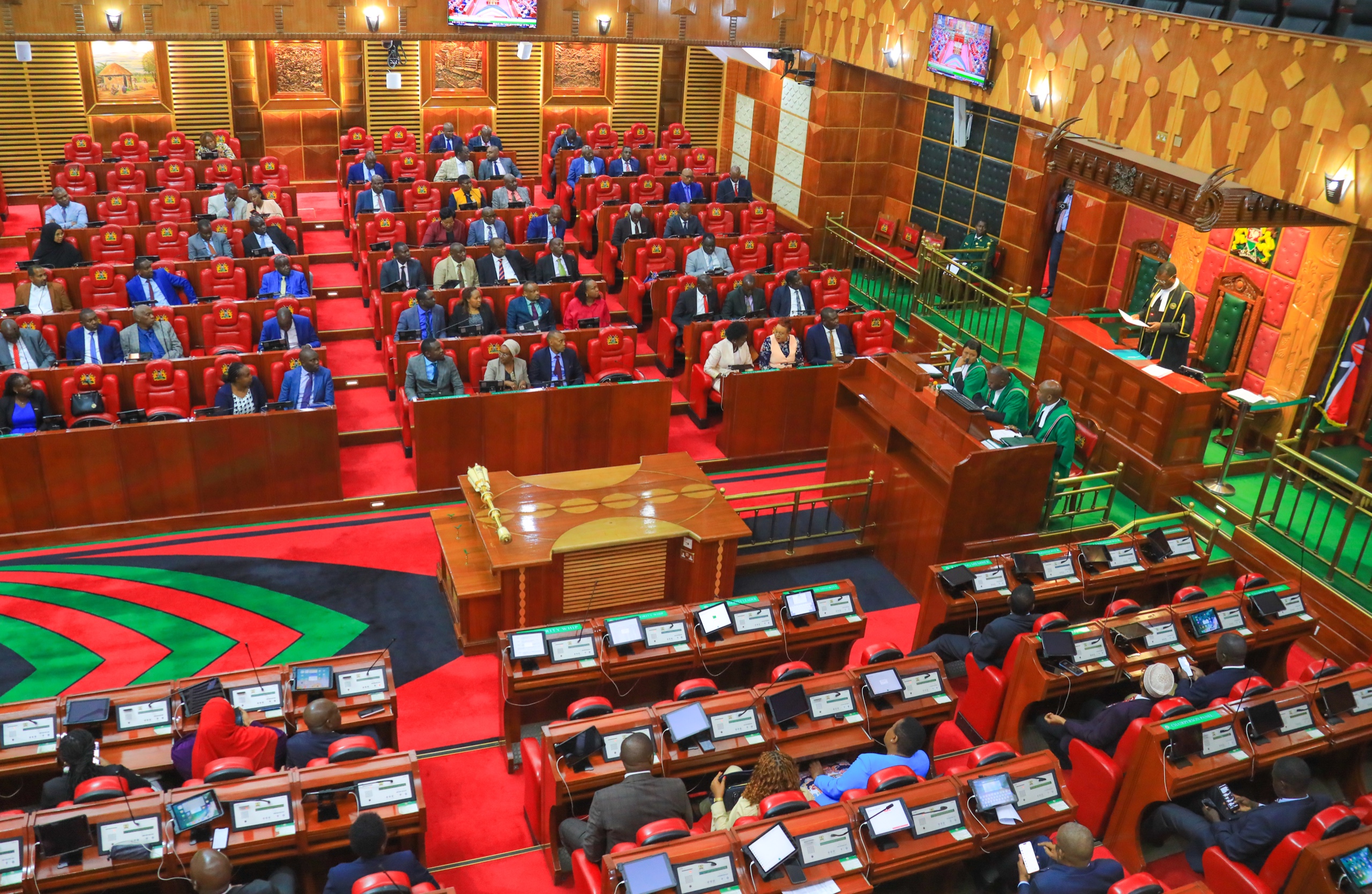
Legislation and oversight at the county level are handled by county assemblies in Kenya. These assemblies debate county laws, approve budgets, and oversee the executive. County assemblies ensure checks and balances within county governments.
Through debates and public hearings, county assemblies in Kenya promote transparency and citizen engagement, reinforcing citizen participation in county governments.
National and County Government Relationship
The national and county government relationship is a defining feature of devolution and county governments in Kenya. While counties have autonomy, they operate within a national framework. The national and county government relationship requires cooperation, consultation, and respect for constitutional boundaries.
Effective coordination within the national and county government relationship ensures policy coherence and avoids duplication of roles. This balance is essential for a stable governance system in Kenya.
How Devolution Works in Kenya
To understand how devolution works, one must look at resource allocation, legal frameworks, and intergovernmental mechanisms. Funds are allocated to counties through revenue-sharing formulas, enabling local development.
How devolution works in Kenya also involves oversight by national institutions to ensure accountability. These mechanisms demonstrate how devolution and county governments in Kenya operate within a unified state.
How County Governments Operate in Kenya
How county governments operate in Kenya is guided by planning cycles, budgeting processes, and service delivery mandates. Counties develop integrated development plans that reflect local priorities.
Understanding how county governments operate in Kenya helps citizens engage more effectively with leaders and participate in decision-making. This operational clarity strengthens local governance.
Impact of Devolution on Service Delivery
One of the most discussed aspects of devolution and county governments in Kenya is the impact of devolution on service delivery. Counties have improved access to healthcare, local roads, and agricultural support in many regions.
The impact of devolution on service delivery is visible in faster response to local needs. However, challenges remain, making the impact of devolution on service delivery an ongoing area of evaluation and reform.
Citizen Participation and Accountability
A key objective of devolution and county governments in Kenya is enhancing citizen participation in county governments. Public forums, budget hearings, and consultations allow citizens to influence county priorities.
Strengthening citizen participation in county governments improves transparency and accountability. This engagement reinforces public service delivery in counties and builds trust in institutions.
Devolution and the Governance System in Kenya
Devolution and county governments in Kenya are integral to the broader governance system. By distributing power, devolution supports democratic values and responsiveness.
The integration of counties into the governance system reflects principles of decentralization in Kenya and shared responsibility between national and local authorities.
Why Devolution Matters in Kenya
Ultimately, why devolution matters lies in its ability to promote equity, participation, and development. By empowering local communities, devolution and county governments in Kenya reduce regional disparities.
Understanding why devolution matters in Kenya helps citizens appreciate the long-term benefits of decentralization and local empowerment.
Conclusion
In conclusion, devolution and county governments in Kenya represent a transformative approach to governance. From defining the county government structure in Kenya and clarifying the functions of county governments in Kenya to improving public service delivery in counties, devolution has reshaped national administration. While challenges remain, devolution and county governments in Kenya continue to play a vital role in strengthening democracy, accountability, and inclusive development.
About The Author