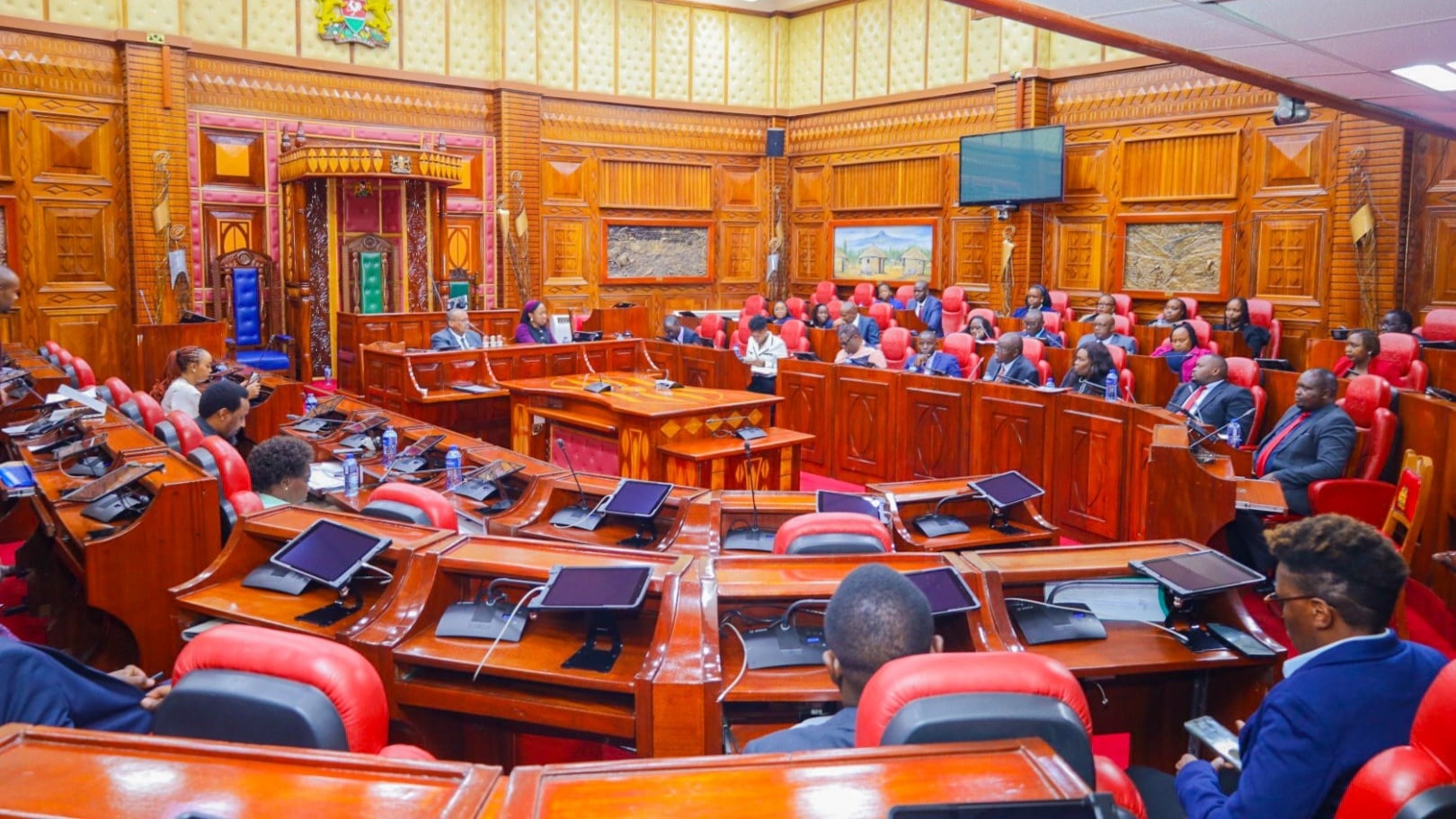
The Senate of Kenya reviews legislation to ensure county interests are represented.
Understanding how laws are made in Kenya is essential for anyone who wants to follow governance, participate in civic life, and understand how national decisions affect daily living. The process is guided by the Constitution and reflects principles of accountability, inclusion, and order. This article explains how laws are made in Kenya, breaking down institutions, procedures, and the journey from idea to enforcement within the framework of governance in Kenya.
The Foundation of Lawmaking in Kenya
At the heart of how laws are made in Kenya is the Constitution, which establishes authority, roles, and procedures. The law making process in Kenya is structured to ensure that laws are legitimate, representative, and consistent with constitutional values. This broader Kenya legislative process outlines who can introduce laws, how they are debated, and how they are approved.
The Kenyan legislation process exists to protect citizens’ rights and ensure order. Through this process, democracy and lawmaking are linked, allowing elected representatives to act on behalf of the people.
The main institution responsible for how laws are made in Kenya is Parliament. Parliament of Kenya lawmaking involves two chambers: the National Assembly and the Senate. Each chamber has specific responsibilities in the Kenya legislative process, ensuring national and county interests are represented.
Members of Parliament play a central role in the law making process in Kenya by introducing proposals, debating their content, and voting on Bills. This structured system explains how Parliament passes laws in Kenya and why legislative debates are essential to effective national governance. Through open debate and committee review, Parliament ensures that proposed laws are examined from legal, social, and economic perspectives before approval.
The first stage in how laws are made in Kenya begins with an idea or policy proposal. Such proposals may originate from government ministries, individual Members of Parliament, parliamentary committees, or public initiatives through citizen participation. Once drafted in legal form, the proposal becomes a Bill, marking the formal start of the process of passing a Bill in Kenya.
At this stage, the stages of legislation in Kenya require the formal presentation of the Bill in Parliament, commonly referred to as the First Reading. This step ensures that all proposals are officially recorded, published, and subjected to parliamentary and public scrutiny. By following this structured procedure, the law making process in Kenya promotes transparency, accountability, and informed decision-making.
Readings and Debate in Parliament
Debate is a core element of how laws are made in Kenya. Bills go through several readings, each serving a specific purpose in the Kenyan legislation process. During these readings, lawmakers examine objectives, debate merits, and suggest amendments.
This phase demonstrates how Parliament passes laws in Kenya through structured discussion rather than unilateral decisions. The stages of legislation in Kenya are designed to allow thorough consideration before approval.
Public Participation in Lawmaking
An important feature of how laws are made in Kenya is citizen involvement. Public participation in lawmaking allows individuals, organizations, and communities to submit views on proposed bills. This requirement strengthens democracy and lawmaking by ensuring laws reflect public needs.
Through hearings and submissions, public participation in lawmaking reinforces transparency and legitimacy. It also supports checks and balances in Kenya, preventing exclusive decision-making.
Through public hearings, written submissions, and stakeholder forums conducted by Parliament of Kenya and county assemblies, public participation enhances transparency and accountability in governance. It also reinforces the legitimacy of laws by giving citizens a voice in decisions that directly affect their daily lives. By promoting openness and inclusivity, public participation supports checks and balances in Kenya, helping to prevent exclusive or elite-driven decision-making and ensuring that enacted laws serve the broader public interest.
Voting and Passage of Bills
Once debate concludes, voting takes place. This step finalizes how laws are made in Kenya within Parliament. If approved, the bill moves forward in the process of passing a bill in Kenya.
The outcome of voting shows how bills become laws in Kenya through majority support. This stage is central to Parliament of Kenya lawmaking and highlights representation in action.
After parliamentary approval, the Bill is formally presented to the President for presidential assent, a key constitutional requirement in how laws are made in Kenya. Under the Constitution of Kenya, the President may either sign the Bill into law or refer it back to Parliament with reservations for reconsideration. This stage ensures that the Executive plays an oversight role in the Kenya legislative process, particularly on matters of constitutionality, policy alignment, and national interest.
Presidential assent reinforces checks and balances in Kenya by preventing Parliament from exercising unchecked legislative power. If Parliament addresses the President’s reservations and passes the Bill again, the President is constitutionally required to assent. Once signed and gazetted, the Bill officially becomes law, marking a critical milestone in how bills become laws in Kenya and paving the way for implementation by relevant government institutions.
Implementation of Laws
Passing a law is not the end of how laws are made in Kenya. Enforcement and application are equally important. Ministries, agencies, and county governments oversee how laws are implemented in Kenya.
Understanding how laws are implemented in Kenya helps citizens see how legislation translates into action. Effective implementation reflects strong governance in Kenya and administrative capacity.
Courts play a vital role in how laws are made in Kenya by interpreting legislation and resolving disputes. Through constitutional law in Kenya, the Judiciary ensures laws align with constitutional principles.
Judicial review reinforces checks and balances in Kenya and safeguards rights. This oversight strengthens confidence in the Kenyan legislation process.
Devolution influences how laws are made in Kenya by involving counties in legislative review, especially on matters affecting local governance. This interaction explains how Parliament passes laws in Kenya while considering regional interests.
County involvement supports inclusive governance in Kenya and ensures national laws address local realities.
Knowing how laws are made in Kenya empowers citizens to engage meaningfully. Awareness of the steps of making laws in Kenya enables people to follow debates, contribute opinions, and hold leaders accountable.
The steps of making laws in Kenya also clarify why laws take time and why consultation is necessary. This transparency strengthens trust in institutions
Challenges in the Lawmaking Process
Despite its structure, how laws are made in Kenya faces challenges such as delays, political interests, and implementation gaps. Improving how laws are implemented in Kenya remains an ongoing priority.
Addressing these challenges enhances the law making process in Kenya and ensures laws serve the public effectively.
For transparency and public awareness, citizens can access Acts of Parliament, regulations, and legal notices through Kenya’s laws and regulations database. Easy access to the law empowers citizens to understand their rights and responsibilities.
In summary, how laws are made in Kenya is a structured journey guided by constitutional principles, institutional roles, and citizen participation. From drafting and debate to assent and enforcement, the Kenya legislative process reflects democratic values and accountability. By understanding how laws are made in Kenya, citizens strengthen democracy and lawmaking, support governance in Kenya, and contribute to a more informed and engaged society.
About The Author


