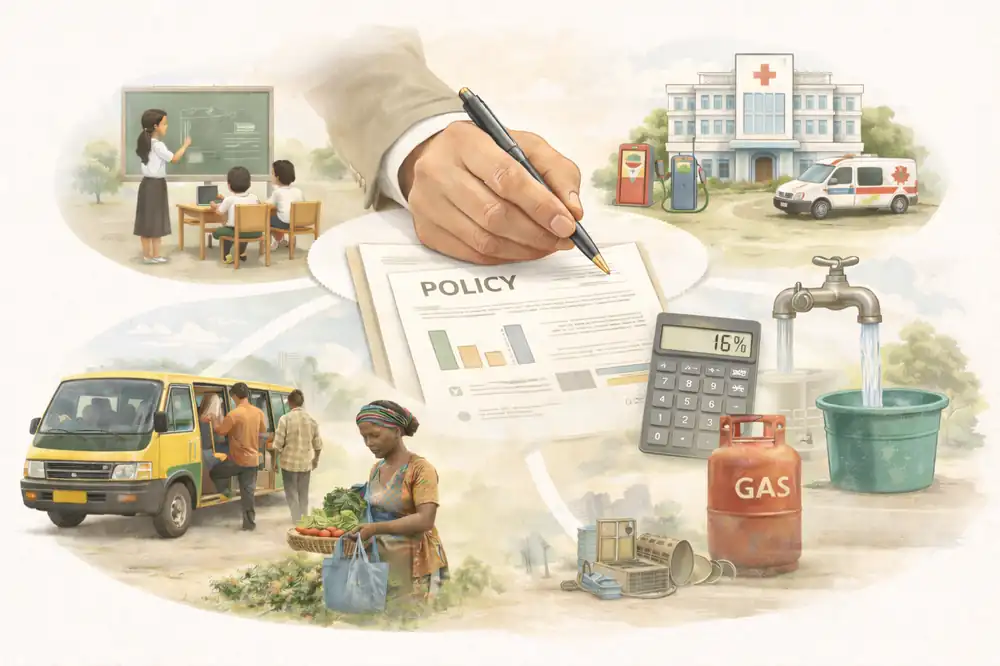
Political decisions in Kenya shape nearly every aspect of society, from how much citizens pay for basic goods, to the quality of public services they receive. Understanding how political decisions affect Kenyans is essential for appreciating the real-life impact of leadership choices, laws, and national priorities. The effects of politics on daily life in Kenya is not abstract, it is felt at home, at work, in schools, and in hospitals.
The Economy and Household Finances
One of the clearest ways political decisions in Kenya influence citizens is through the economy. Debates around finance bills, taxes, subsidies, and spending are not just political, they directly affect our household budgets. The politics and cost of living in Kenya determine fuel prices, food costs, and transport fares. When these policies change, families immediately feel the pressure or relief.
As highlighted in our in-depth look at What Happens When Government Policies Fail in Kenya, closely linked are Kenya economic policies, which guide inflation control, employment strategies, and national debt management. Well-designed Kenya economic policies can stabilize markets and encourage growth, while poor decisions can increase hardship. The impact of government decisions on Kenyans becomes visible when wages fail to keep up with rising prices or when jobs become scarce.
These realities show again how political decisions in Kenya connect leadership debates to daily survival, reinforcing the impact of politics on daily life in Kenya for millions.
Public Services and Social Welfare
Another critical area affected by political decisions in Kenya is service delivery. Education, healthcare, water, and sanitation all depend on budget allocations and administrative priorities. The relationship between politics and public services in Kenya explains why some communities enjoy better facilities than others.
Through public policy in Kenya, leaders decide how resources are distributed between national and county governments. Strong public policy in Kenya improves service quality, while weak implementation leads to shortages and inefficiencies. The effects of public policy on Kenyan citizens are seen in classroom sizes, hospital waiting times, and access to clean water.
When citizens question how political decisions affect Kenyans, they often point to these everyday experiences. Indeed, politics and public services in Kenya remain a major factor in public satisfaction and trust in leadership, highlighting once more the effects of public policy on Kenyan citizens.
As discussed in our analysis of Understanding How Government Works , at the heart of these outcomes lies governance in Kenya. Governance determines how transparently decisions are made and how accountable leaders remain to the public. Strong governance in Kenya promotes fairness and efficiency, while weak systems allow mismanagement to flourish.
Equally important is the political leadership in Kenya. Leaders set the tone for national unity, economic direction, and institutional integrity. The public often evaluates political leadership in Kenya based on whether promises translate into tangible improvements. This is where how leadership decisions affect Kenya becomes evident, good leadership builds confidence, while poor leadership erodes trust.
National debates around reforms, anti-corruption efforts, and inclusivity are all rooted in Kenya government policies. Effective Kenya government policies strengthen institutions and improve lives, demonstrating clearly how leadership decisions affect Kenya over time.
Cost of Living and Economic Pressure
Returning to everyday realities, political decisions in Kenya strongly influence inflation and affordability. The politics and cost of living in Kenya are shaped by taxation, fuel regulation, and import policies. When these decisions are misaligned with public needs, the impact of government decisions on Kenyans is immediate and often painful.
This reinforces how politics affects everyday life in Kenya, especially for low- and middle-income households. Choices made at the top ripple through markets and communities, proving again that political decisions in Kenya are not distant or theoretical.
For many, understanding how political decisions affect Kenyans is the first step towards meaningful civic engagement. Building on our earlier breakdown of Why Citizen Apathy Is Kenya’s Silent Governance Crisis, voters, civil society, and media all play roles in shaping accountability. The impact of politics on daily life in Kenya encourages citizens to demand better representation and transparent Kenya government policies.
As debates continue about reform and development, political decisions in Kenya will remain central to progress. The effects of public policy on Kenyan citizens depend on informed participation and responsible leadership. Ultimately, recognizing how leadership decisions affect Kenya helps citizens connect national politics to personal well-being.
As protected under the Constitution of Kenya, political decisions directly affect citizens’ rights and freedoms.
From economic pressures to service delivery and governance, political decisions in Kenya influence every layer of society. The impact of politics on daily life in Kenya is seen in prices, opportunities, and public trust. By understanding how politics affects everyday life in Kenya, citizens are better equipped to engage, question, and shape the future. In the end, as discussed in our comprehensive review of How Public Participation in Kenya Works in Decision-Making, the choices leaders make, and how citizens respond, define the nation’s path forward.
About The Author